
Wound Care Patient Education Brochure
Wound Care Patient Education Brochure - These resources will help patients and their care partners better care for their wounds at home. • know what symptoms to report to your home care nurse, therapist and/ or your doctor; Interested but in a hurry? Understand how to tell if the treatment is. Educating patients about the stages of wound healing, factors that can impede healing, and signs of complications empowers them to recognize when their wound is. However, they need you to take an. What is a wound (sore)? Include the mechanism of injury or surgical intent. The patient should be assigned a wagner grade and updated as needed. Learn how to perform your wound care; Wash your hands and put on gloves. The patient should be assigned a wagner grade and updated as needed. Know what symptoms to report to your home care nurse, therapist and/or your doctor; This pamphlet details how to monitor and care for your wound. However, they need you to take an. Educating patients about the stages of wound healing, factors that can impede healing, and signs of complications empowers them to recognize when their wound is. Be active in your care; Surgical incisions or traumatic wounds: Surgical wounds evidence based guidelines summary (pdf file, 112 kb). Include the mechanism of injury or surgical intent. The patient should be assigned a wagner grade and updated as needed. It is a cut or other injury to a part of the body. Contact the wound/ostomy clinic to learn basic techniques, problem solve and find out about new products for ostomies. These brochures have been developed for health professionals and can be used as a reference guide for. Know what symptoms to report to your home care nurse, therapist and/or your doctor; • learn how to perform your wound care; This pamphlet details how to monitor and care for your wound. The patient should be assigned a wagner grade and updated as needed. Educating patients about the stages of wound healing, factors that can impede healing, and signs. Educating patients about the stages of wound healing, factors that can impede healing, and signs of complications empowers them to recognize when their wound is. What is a wound (sore)? • understand how to tell if the. This pamphlet details how to monitor and care for your wound. • learn how to perform your wound care; This pamphlet details how to monitor and care for your wound. There are many ways a wound can happen. Not all wounds the healing process expected. Interested but in a hurry? These resources will help patients and their care partners better care for their wounds at home. Understand how to tell if the treatment is. Save time when educating patients while increasing patient engagement. Educating patients about the stages of wound healing, factors that can impede healing, and signs of complications empowers them to recognize when their wound is. How do i care for myself at home? • know what symptoms to report to your home care. Interested but in a hurry? How do i care for myself at home? These brochures have been developed for health professionals and can be used as a reference guide for each. It is a cut or other injury to a part of the body. Wash your hands and put on gloves. Educating patients about the stages of wound healing, factors that can impede healing, and signs of complications empowers them to recognize when their wound is. It is an opening in your skin. Surgical incisions or traumatic wounds: It is a cut or other injury to a part of the body. Surgical wounds evidence based guidelines summary (pdf file, 112 kb). Save time when educating patients while increasing patient engagement. What is a wound (sore)? This pamphlet details how to monitor and care for your wound. Surgical wounds evidence based guidelines summary (pdf file, 112 kb). It is an opening in your skin. These resources will help patients and their care partners better care for their wounds at home. Interested but in a hurry? Surgical wounds evidence based guidelines summary (pdf file, 112 kb). What caused your wound (sore)? Wash your hands and put on gloves. These resources will help patients and their care partners better care for their wounds at home. Be active in your care; Educating patients about the stages of wound healing, factors that can impede healing, and signs of complications empowers them to recognize when their wound is. Save time when educating patients while increasing patient engagement. How do i care for. • know what symptoms to report to your home care nurse, therapist and/ or your doctor; Surgical incisions or traumatic wounds: • understand how to tell if the. Surgical wounds evidence based guidelines summary (pdf file, 112 kb). How do i care for myself at home? Understand how to tell if the treatment is. Learn how to perform your wound care; What caused your wound (sore)? Wash your hands and put on gloves. Be active in your care; Know what symptoms to report to your home care nurse, therapist and/or your doctor; However, they need you to take an. Contact the wound/ostomy clinic to learn basic techniques, problem solve and find out about new products for ostomies. It is an opening in your skin. What is a wound (sore)? Not all wounds the healing process expected.
patient education brochuresJPG Dr. Novikov Wound Care Program

Wound Care Brochure on Behance
Support Wound Care Awareness Healogics

How to buy Clinisept+ For aesthetics applications
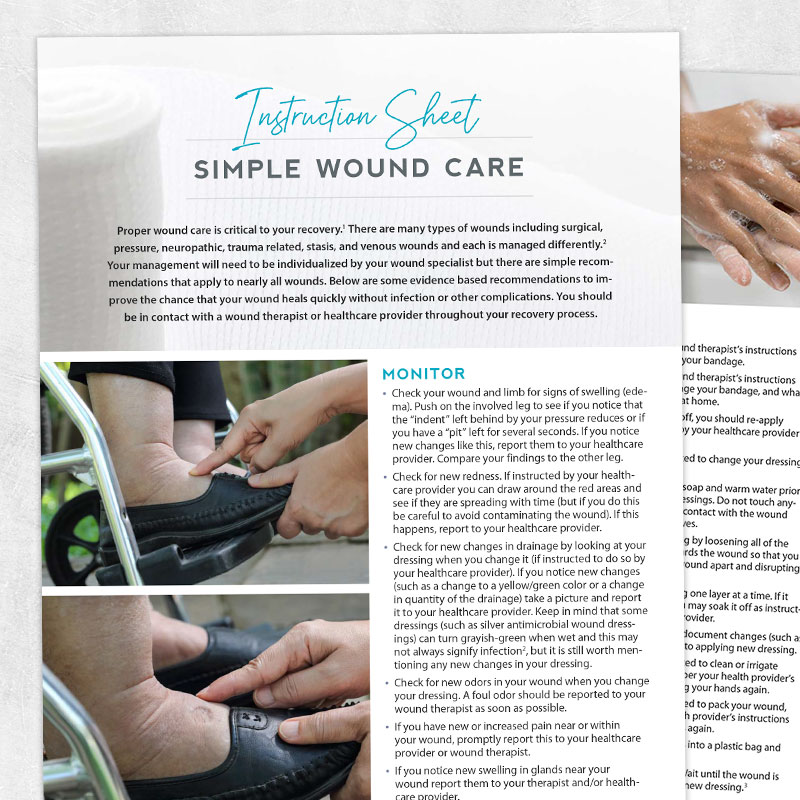
Simple Wound Care Instruction Sheet Adult and pediatric printable
Proper Wound Care and Prevention of Infection Key Steps for Cleaning
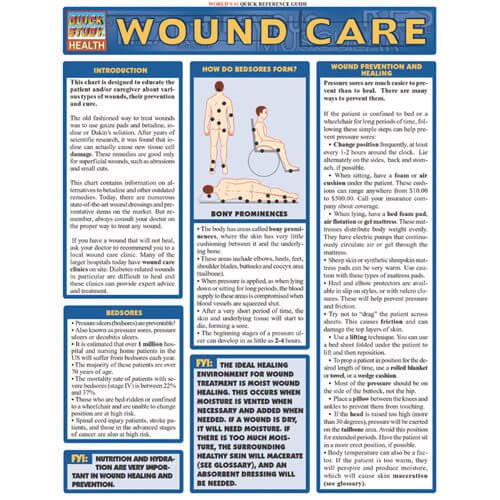
Wound Care Poster NIMCO, Inc.

Wound Care Steps
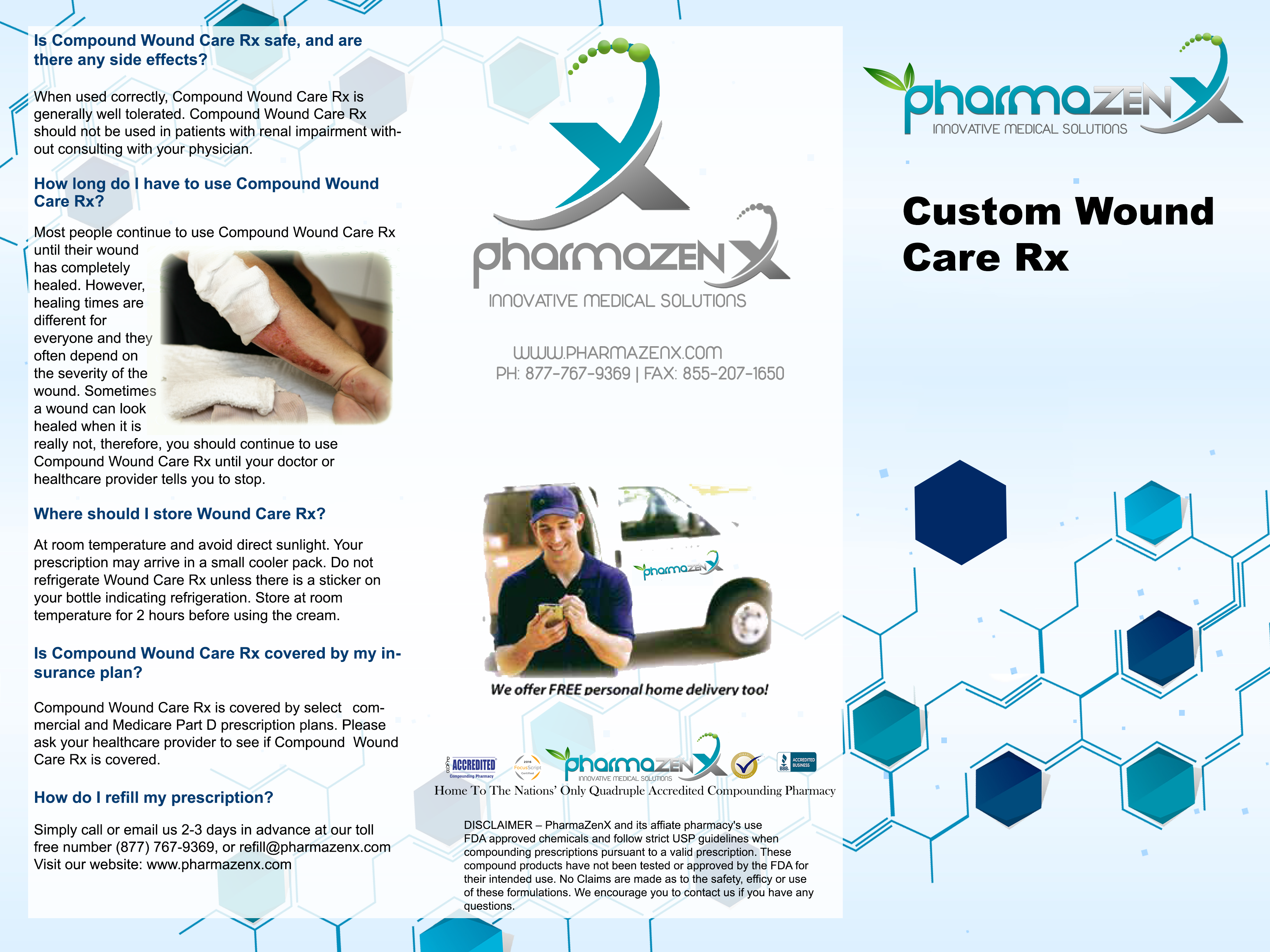
Educational Brochures Family Pharmacy
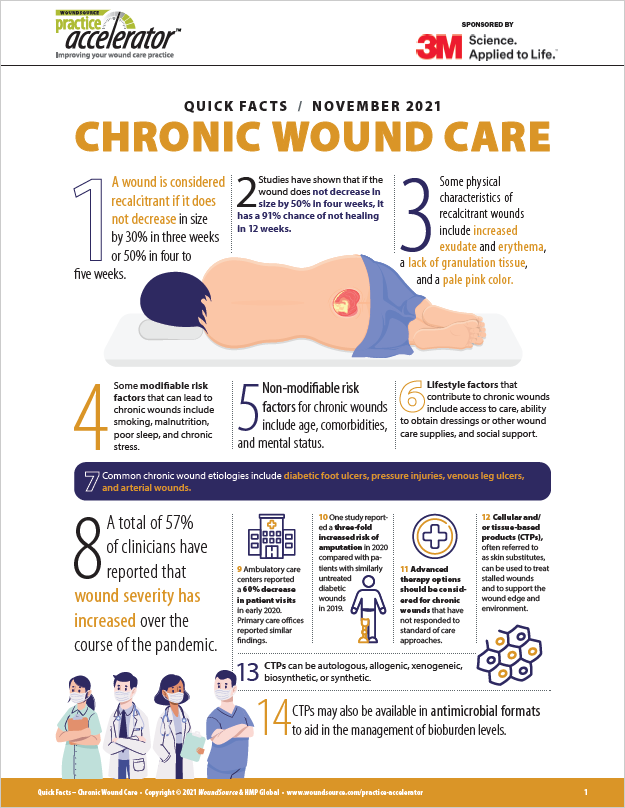
Quick Facts Chronic Wound Care WoundSource
Interested But In A Hurry?
• Learn How To Perform Your Wound Care;
These Brochures Have Been Developed For Health Professionals And Can Be Used As A Reference Guide For Each.
It Is A Cut Or Other Injury To A Part Of The Body.
Related Post:
