
Tummy Time Brochure
Tummy Time Brochure - In the first months of life, babies learn about movement of their body and develop the physical skills required for rolling over, sitting and crawling. • practice after diapering or bathing so it becomes routine. This is done through activities such as handling, carrying, diapering, positioning, feeding and. Why is tummy time important? Proponents of adult tummy time claim that lying on your stomach for 10 or more minutes a day while watching tv or reading can improve bad posture and relieve “tech. It seems clear that if a. Tummy to play make tummy time fun time! Some may cry or refuse to lift their head. We have provided guidelines to help you with this challenge and to make tummy time an enjoyable bonding. Make tummy time fun time! Here are some ideas for positioning baby for tummy time: This brochure highlights the impact on overall body strength, mobility, freedom of movement in the upper extremities, balance, sitting posture, and bilateral integration. Proponents of adult tummy time claim that lying on your stomach for 10 or more minutes a day while watching tv or reading can improve bad posture and relieve “tech. Just a few minutes a day, a few times a day, can help your baby get used to tummy time and help prevent early motor delays. Some may cry or refuse to lift their head. Tummy time is time that your baby spends on her tummy. Use rattles or other toys that make noise to encourage visual tracking. It seems clear that if a. This time helps your baby develop strong muscles. Here you'll find practical tips. Help baby build the muscles they will. By integrating these techniques into your daily routine, you can prevent or discourage flat head syndrome and ensure your baby grows up healthy and happy. These are the muscles they need to roll over, sit up, pull, and crawl. If you begin early (even from just a few days old) and. It prepares. Make tummy time fun time! Starting tummy time at birth will help your baby lift their head on their own by the time they are 3 months old. Tummy minute practice tummy time in small time increments: With a little bit of practice, tummy time can become a natural place to build the foundation for stem learning. Here are some. Use rattles or other toys that make noise to encourage visual tracking. Tummy time is any time your baby spends on his/her tummy while awake and supervised. Since the american academy of pediatrics recommended in1992 that babies be placed on their. Tummy minute practice tummy time in small time increments: • helps improve neck and head control, and strengthens Make tummy time fun time! In the first months of life, babies learn about movement of their body and develop the physical skills required for rolling over, sitting and crawling. Just a few minutes a day, a few times a day, can help your baby get used to tummy time and help prevent early motor delays. This time helps your. Starting tummy time at birth will help your baby lift their head on their own by the time they are 3 months old. Tummy time tools helps you make sure your baby gets enough time on his tummy each day. Use these ideas to set up the environment and materials to best suit your. Tummy to play make tummy time. Just a few minutes a day, a few times a day, can help your baby get used to tummy time and help prevent early motor delays. Use rattles or other toys that make noise to encourage visual tracking. Use rattles or other toys that make noise to encourage visual tracking. Every bit of tummy time makes a diference! A consistent. Every bit of tummy time makes a diference! Tummy minute practice tummy time in small time increments: Proponents of adult tummy time claim that lying on your stomach for 10 or more minutes a day while watching tv or reading can improve bad posture and relieve “tech. Since the american academy of pediatrics recommended in1992 that babies be placed on. Start supervised tummy time soon after birth, so your baby will become used to, and be comfortable in this position. Use rattles or other toys that make noise to encourage visual tracking. Tummy time is any time your baby spends on his/her tummy while awake and supervised. Since the american academy of pediatrics recommended in1992 that babies be placed on. This time helps your baby develop strong muscles. Tummy to play make tummy time fun time! Starting tummy time at birth will help your baby lift their head on their own by the time they are 3 months old. Just a few minutes a day, a few times a day, can help your baby get used to tummy time and. Not all babies enjoy tummy time. This time helps your baby develop strong muscles. Make tummy time fun time! Here are some ideas for positioning baby for tummy time: By integrating these techniques into your daily routine, you can prevent or discourage flat head syndrome and ensure your baby grows up healthy and happy. In the first months of life, babies learn about movement of their body and develop the physical skills required for rolling over, sitting and crawling. This is done through activities such as handling, carrying, diapering, positioning, feeding and. Pathways.org’s tummy time brochure is a simple guide parents and healthcare providers can use to understand and safely implement tummy time. • it helps me develop head control • it helps me develop flexion • it helps me learn about touch (texture) and pressure against my arms, hands, tummy and face. Since the american academy of pediatrics recommended in1992 that babies be placed on their. Tummy time is time that your baby spends on her tummy. They learn to respond and adapt to. Use rattles or other toys that make noise to encourage visual tracking. • use toys to encourage head turning and visual tracking. Every bit of tummy time makes a diference! With a little bit of practice, tummy time can become a natural place to build the foundation for stem learning. These are the muscles they need to roll over, sit up, pull, and crawl. We have provided guidelines to help you with this challenge and to make tummy time an enjoyable bonding. Start supervised tummy time soon after birth, so your baby will become used to, and be comfortable in this position. Not all babies enjoy tummy time. Use these ideas to set up the environment and materials to best suit your.Tummy Time Milestones Every New Parent Should Know — CanDo Kiddo

Tummy Time brochure by SIDS and Kids Issuu

BEST TUMMY TIME TIPS WITH MILESTONE CHART Milestone chart, Tummy time

Tummy time info & tips for your newborn+ and when to start! Baby
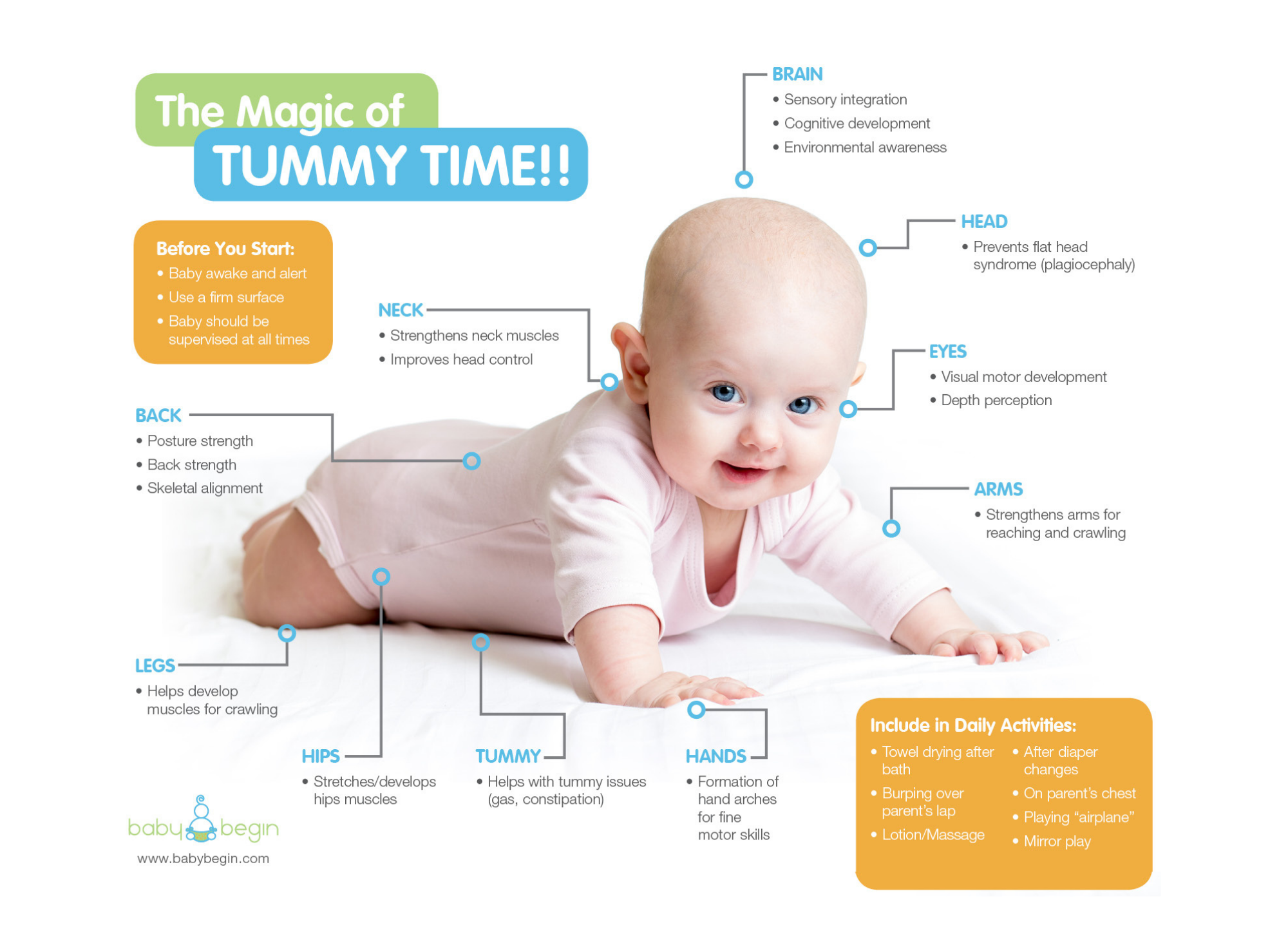
Tummy Time baby begin
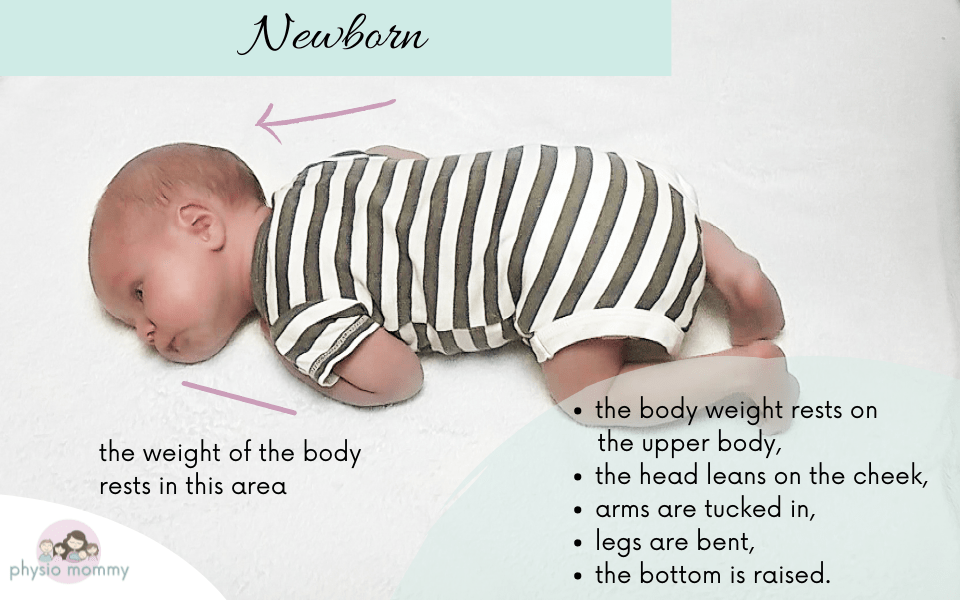
Tummy Time A Importância do Tempo de Barriga para o Desenvolvimento do

5 Essential Tummy Time Moves How To Do Tummy Time Tummy time

CDS Brochure Tummy Time
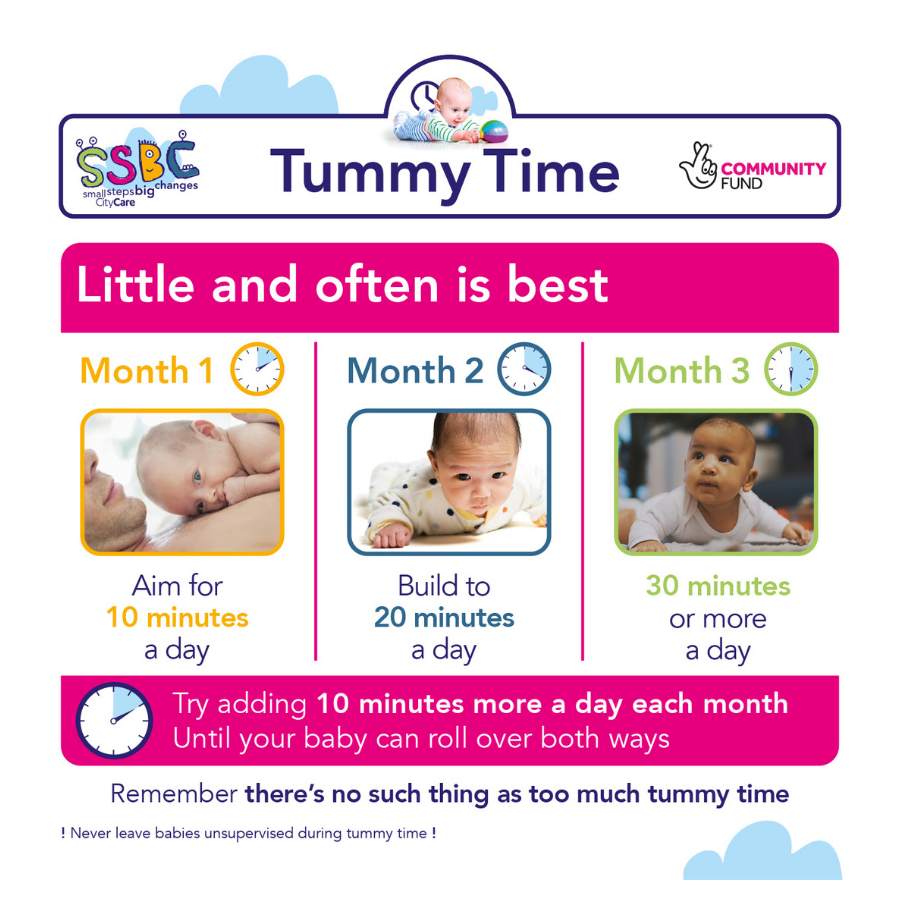
Tummy Time SSBC

Building Strength with Tummy Time Baby Development Tummy time
Some May Cry Or Refuse To Lift Their Head.
This Helps Develop The Muscles In Their Back, Neck, And Trunk On Their Way To Meeting Developmental Milestones.
Just A Few Minutes A Day, A Few Times A Day, Can Help Your Baby Get Used To Tummy Time And Help Prevent Early Motor Delays.
• Helps Improve Neck And Head Control, And Strengthens
Related Post:
