
Composting Brochure
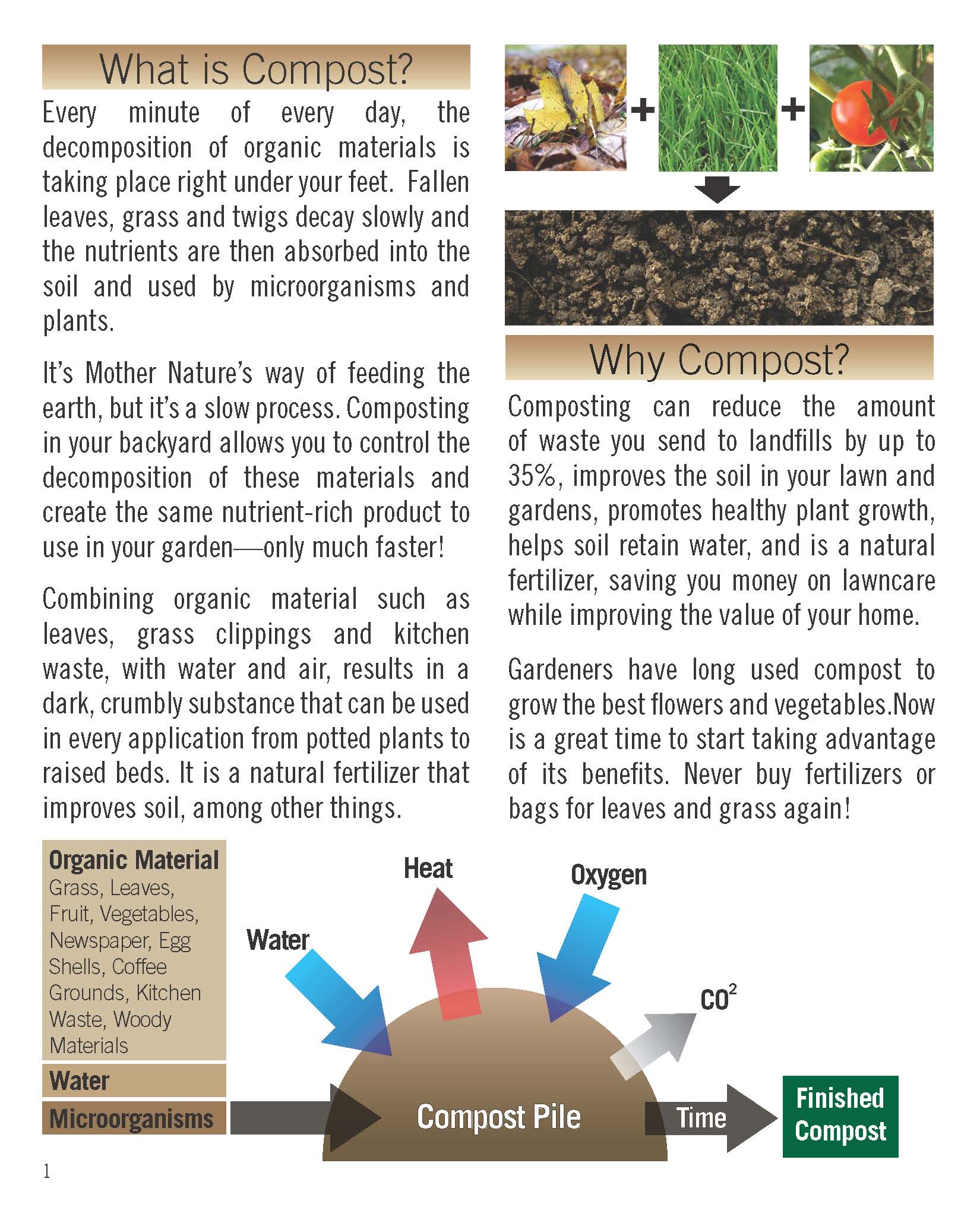
Composting Brochure - Consider the many options available for your compost bin, and choose the one that meets your needs. Dig in 2 to 4 inches of compost at planting time. It can be easier and cheaper than bagging these wastes or taking them to the transfer station. Composting is nature’s way of recycling organic materials back into the soil in order for the cycle of life to continue. It can be easier and cheaper than bagging these wastes or taking them to the transfer station. Composting is the process of creating the ideal conditions for the rapid decomposition of organic materials. Compost is a dark, crumbly, and earthy smelling form of decomposing organic matter. Composting is a practical and convenient way to handle. You can think of composting as speeding up the way nature recycles. Composting is the decomposition of organic waste such as food or plant material. Naturally occurring soil organisms recycle nitrogen, potash, phosphorus, and other plant nutrients as they convert the. Composting is a smart gardening practice because it recycles and reuses valuable nutrients through organic matter returned to the garden. Composting is a controlled process of decomposition of organic material. Joshua goodman, a deputy commissioner at the sanitation. Managing food and yard wastes onsite reduces personal environmental impacts and creates a rich soil. Using compost adds essential nutrients,. It is a free source of organic matter or natural. It can be easier and cheaper than bagging these wastes or taking them to the transfer station. Composting is the most practical and convenient way to handle your yard wastes. P use compost as mulch. Composting is a practical and convenient way to handle. Naturally occurring soil organisms recycle nitrogen, potash, phosphorus, and other plant nutrients as they convert the. P use compost as mulch. Composting is nature’s way of recycling organic materials back into the soil in order for the cycle of life to continue. Covers all the basics of what is compost, why. It can be easier and cheaper than bagging these wastes or taking them to the transfer station. Covers all the basics of what is compost, why compost, where to compost, what to compost, how to compost and using compost. P use compost as mulch. By reading this brochure, you’ll learn how to make “black gold” for your plants! Spread 2. Why should i make compost? The billions of living organisms in healthy soil transform dead plants into. P use compost as mulch. Composting is a convenient, beneficial and inexpensive way to handle your organic waste and help the environment. It can be easier and cheaper than bagging these wastes or taking them to the transfer station. When is my compost ready? All the key info in one place! Using compost adds essential nutrients,. Composting is a smart gardening practice because it recycles and reuses valuable nutrients through organic matter returned to the garden. Spread 2 to 3 inches around plants, trees and shrubs to help the soil retain moisture. Composting is nature’s way of recycling organic materials back into the soil in order for the cycle of life to continue. Spread 2 to 3 inches around plants, trees and shrubs to help the soil retain moisture. Composting is a practical and convenient way to handle. You can think of composting as speeding up the way nature recycles. Managing food. P use compost as mulch. Dig in 2 to 4 inches of compost at planting time. When is my compost ready? Joshua goodman, a deputy commissioner at the sanitation. The ct department of environmental protection has produced two video programs entitled home composting. The ct department of environmental protection has produced two video programs entitled home composting. It can be easier and cheaper than bagging these wastes or taking them to the transfer station. P use compost as mulch. Composting is nature’s way of recycling organic materials back into the soil in order for the cycle of life to continue. Dig in 2. All the key info in one place! Spread 2 to 3 inches around plants, trees and shrubs to help the soil retain moisture. Consider the many options available for your compost bin, and choose the one that meets your needs. “that’s compost,” crespo said, and stuck the ticket on the front door, along with a composting brochure. Ackyard composting is. It can be easier and cheaper than bagging these wastes or taking them to the transfer station. Composting is a controlled process of decomposition of organic material. Composting is a convenient, beneficial and inexpensive way to handle your organic waste and help the environment. The billions of living organisms in healthy soil transform dead plants into. Naturally occurring soil organisms. All the key info in one place! Composting is a smart gardening practice because it recycles and reuses valuable nutrients through organic matter returned to the garden. You can think of composting as speeding up the way nature recycles. Joshua goodman, a deputy commissioner at the sanitation. Managing food and yard wastes onsite reduces personal environmental impacts and creates a. Covers all the basics of what is compost, why compost, where to compost, what to compost, how to compost and using compost. Spread 2 to 3 inches around plants, trees and shrubs to help the soil retain moisture. P add compost to potting soil. “that’s compost,” crespo said, and stuck the ticket on the front door, along with a composting brochure. Follow these six steps to set up and manage a backyard compost. Composting is a controlled process of decomposition of organic material. You can think of composting as speeding up the way nature recycles. Composting is the process of creating the ideal conditions for the rapid decomposition of organic materials. The billions of living organisms in healthy soil transform dead plants into. All the key info in one place! These resources will provide more detailed information on home composting. The ct department of environmental protection has produced two video programs entitled home composting. All the key info in one place! Covers all the basics of what is compost, why compost, where to compost, what to compost, how to compost and using compost. Compost is a dark, crumbly, and earthy smelling form of decomposing organic matter. By reading this brochure, you’ll learn how to make “black gold” for your plants!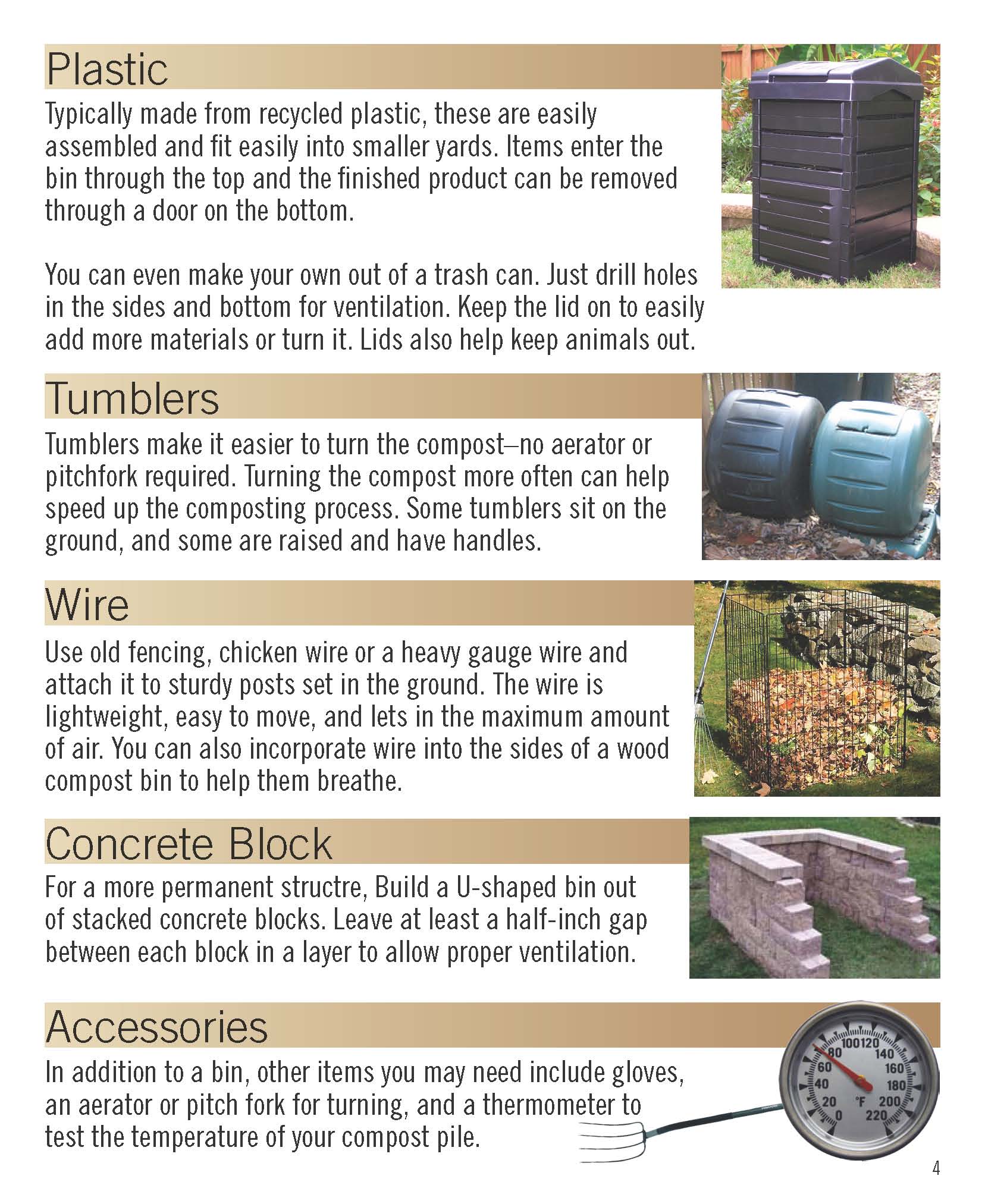
BACKYARD COMPOSTING Compost Everything
BACKYARD COMPOSTING Compost Everything
BACKYARD COMPOSTING Compost Everything
Home Composting Brochure Connecticut USA Compost Soil
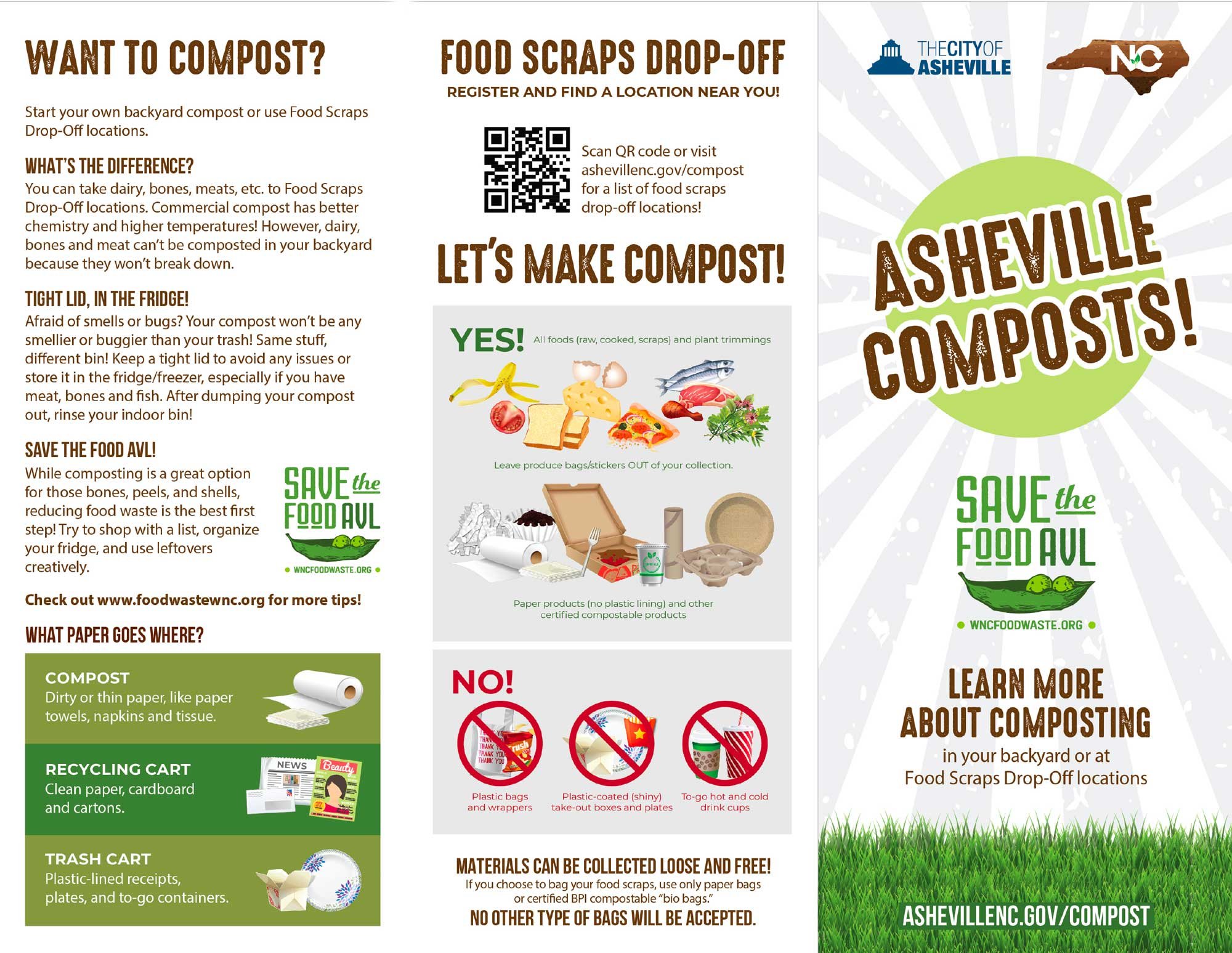
Getting Started with Composting — Asheville GreenWorks

Reber Compost Brochure by Reber Ranch Issuu
Composting Brochure Compost Waste Free 30day Trial Scribd
Food waste composting brochure template 2062635 Vector Art at Vecteezy

Signs, Brochures, & Guides Northwest VT Solid Waste Management District

freelance Half A4 Flyer on composting by Mary_pile Compost, Flyer, Custom brochures
Composting Is The Decomposition Of Organic Waste Such As Food Or Plant Material.
Composting Is The Most Practical And Convenient Way To Handle Your Yard Wastes.
It Can Be Easier And Cheaper Than Bagging These Wastes Or Taking Them To The Transfer Station.
It Is A Free Source Of Organic Matter Or Natural.
Related Post:

