
Back To Sleep Brochure
Back To Sleep Brochure - Download our safe sleep brochure (pdf) a safe sleeping environment reduces your baby’s risk of sudden infant death syndrome (sids), which is the number one cause of death between. Share your room with baby. Follow these easy steps to create a safe sleep environment in your home, family child care home, or child care center: Although babies should be placed on their backs to sleep, supervised tummy time is an important part of healthy development. Back to sleep, tummy to play why is tummy time important? Back to sleep and tummy to play follow these easy steps to create a safe sleep environment in your home, family child care home, or child care center: How do i create a safe sleep environment? Babies who sleep on their backs are much less likely to die of sids than are babies who sleep on their stomachs or sides. Read all about tummy time and how to make it fun for your baby. • always place your baby on his or her back to sleep, for naps and at night, to reduce the risk of sids. Do not use loose blankets and make sure your baby is not too warm. Download our safe sleep brochure (pdf) a safe sleeping environment reduces your baby’s risk of sudden infant death syndrome (sids), which is the number one cause of death between. Always place baby on his or her back to sleep, for naps and at night. Babies sleep safest on their backs. Back to sleep and tummy to play follow these easy steps to create a safe sleep environment in your home, family child care home, or child care center: Back to sleep, tummy to play. Back to sleep, tummy to play why is tummy time important? How do i create a safe sleep environment? Babies who sleep on their backs are much less likely to die of sids than are babies who sleep on their stomachs or sides. Always place baby on his or her back to sleep, for naps and at night, to reduce the risk of sids. Brochure is part of the safe to sleep campaign (formerly the back to sleep campaign), an effort to educate families and caregivers about ways to help reduce the risk of sudden infant death. The back sleep position is the safest position for all babies until they are 1 year old. Babies who sleep on their backs are much less likely. Download our safe sleep brochure (pdf) a safe sleeping environment reduces your baby’s risk of sudden infant death syndrome (sids), which is the number one cause of death between. This is a time of unlimited energy and curiosity for children. The safe to sleep ® campaign offers a variety of free materials, including booklets, handouts and infographics, to help people. Safe sleep guidelines from the american academy of pediatrics focus on actions you and others can take to help your baby sleep safely and to reduce your baby’s risk of dying while sleeping. Do not use loose blankets and make sure your baby is not too warm. Babies who sleep on their backs are much less likely to die of. Babies who sleep on their backs are much less likely to die of sids than babies who sleep on their stomachs or sides. Brochure is part of the safe to sleep campaign (formerly the back to sleep campaign), an effort to educate families and caregivers about ways to help reduce the risk of sudden infant death. Back to sleep, tummy. Babies sleep safest on their backs. Brochure is part of the safe to sleep campaign (formerly the back to sleep campaign), an effort to educate families and caregivers about ways to help reduce the risk of sudden infant death. How do i create a safe sleep environment? • always place your baby on his or her back to sleep, for. Follow these easy steps to create a safe sleep environment in your home, family child care home, or child care center: • tummy time is important to develop infants’ strength, motor and sensory development. Back to sleep, tummy to play. Always place babies on their backs. • use a firm sleep surface, covered by a fitted sheet, to reduce the. Share your room with baby. Back to sleep, tummy to play. Always place baby on his or her back to sleep, for naps and at night. • tummy time is important to develop infants’ strength, motor and sensory development. Always place baby on his or her back to sleep, for naps and at night, to reduce the risk of sids. • use a firm sleep surface, covered by a fitted sheet, to reduce the risk of sids and. There are a wide range of abilities seen at this age, as children become more mobile. Back to sleep, tummy to play why is tummy time important? Always place baby on his or her back to sleep, for naps and at night,. Do not use loose blankets and make sure your baby is not too warm. Babies who sleep on their backs are much less likely to die of sids than babies who sleep on their stomachs or sides. How do i create a safe sleep environment? Although babies should be placed on their backs to sleep, supervised tummy time is an. Always place babies on their backs. Back to sleep, tummy to play what are the 2 most important things to remember about safe sleep practices? Babies sleep safest on their backs. Although babies should be placed on their backs to sleep, supervised tummy time is an important part of healthy development. There are a wide range of abilities seen at. Back to sleep, tummy to play. Back to sleep, tummy to play what are the 2 most important things to remember about safe sleep practices? Back to sleep and tummy to play follow these easy steps to create a safe sleep environment in your home, family child care home, or child care center: Read all about tummy time and how to make it fun for your baby. • tummy time is important to develop infants’ strength, motor and sensory development. Babies sleep safest on their backs. This is a time of unlimited energy and curiosity for children. • always place your baby on his or her back to sleep, for naps and at night, to reduce the risk of sids. • healthy babies are safest when sleeping on their backs at nighttime and. Share your room with baby. Always place babies on their backs. Although babies should be placed on their backs to sleep, supervised tummy time is an important part of healthy development. Babies who sleep on their backs are much less likely to die of sids than babies who sleep on their stomachs or sides. • use a firm sleep surface, covered by a fitted sheet, to reduce the risk of sids and. Download our safe sleep brochure (pdf) a safe sleeping environment reduces your baby’s risk of sudden infant death syndrome (sids), which is the number one cause of death between. Always place baby on his or her back to sleep, for naps and at night, to reduce the risk of sids.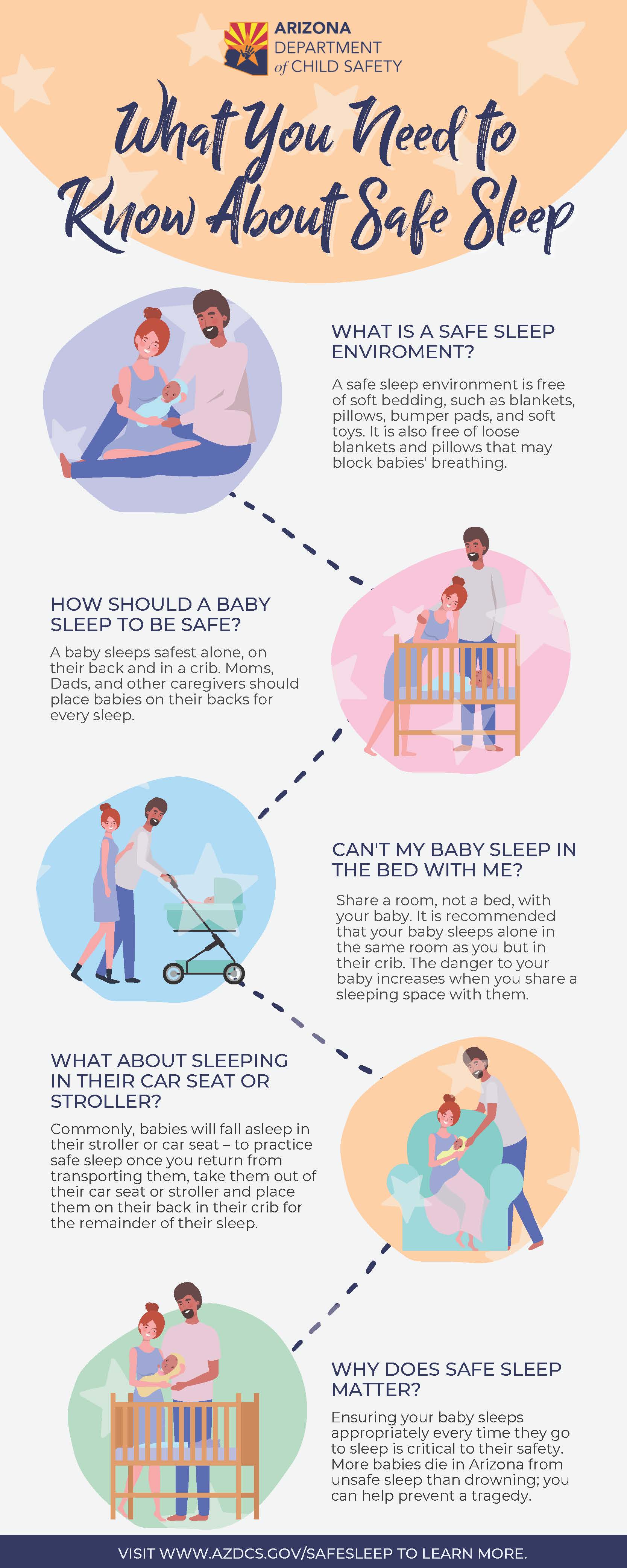
Safe Sleep Arizona Department of Child Safety

How to Sleep Better Patient Education Brochures (50 brochures)
Back To Sleep Children's Book GroTo Skin Care
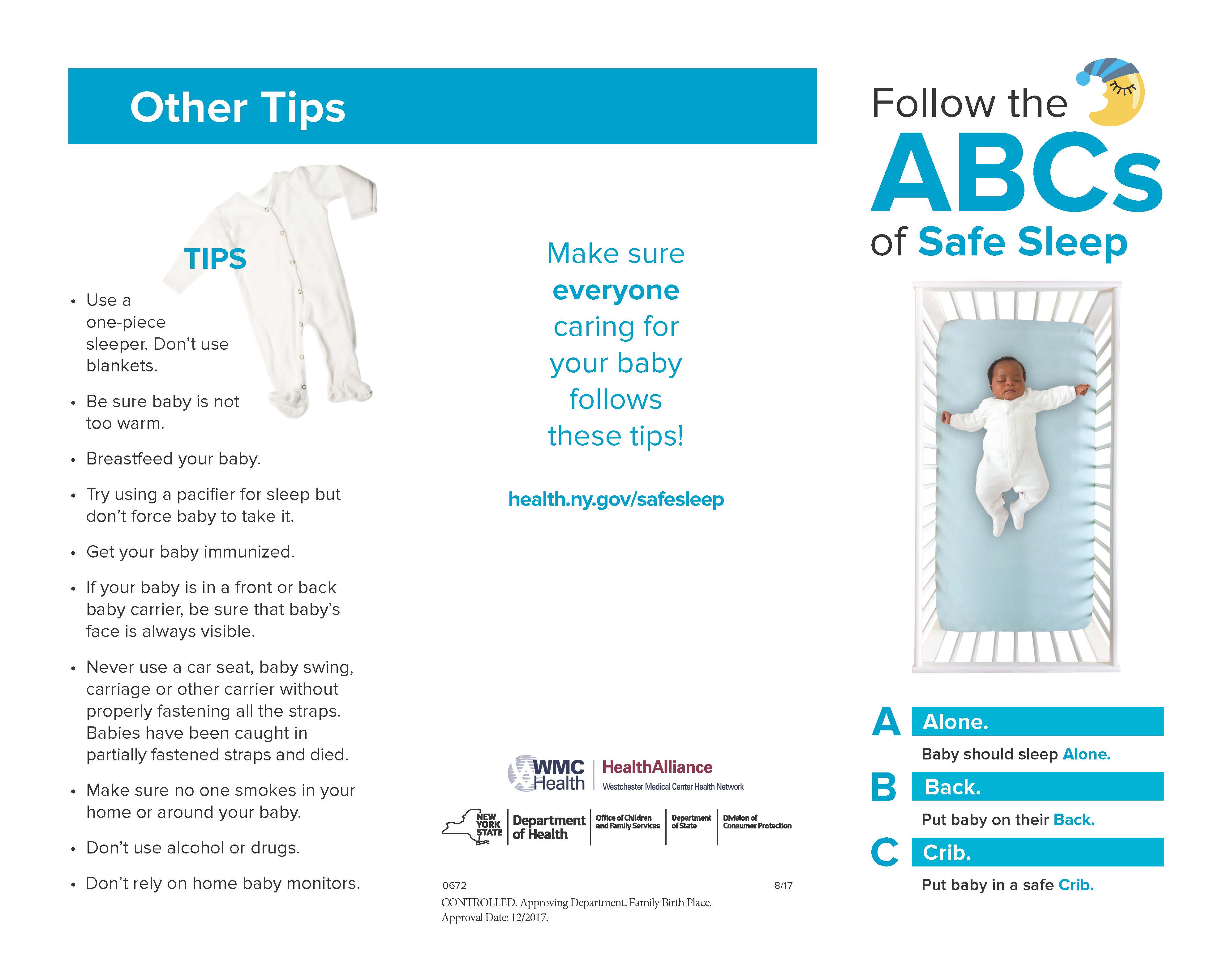
Safe Sleep Education
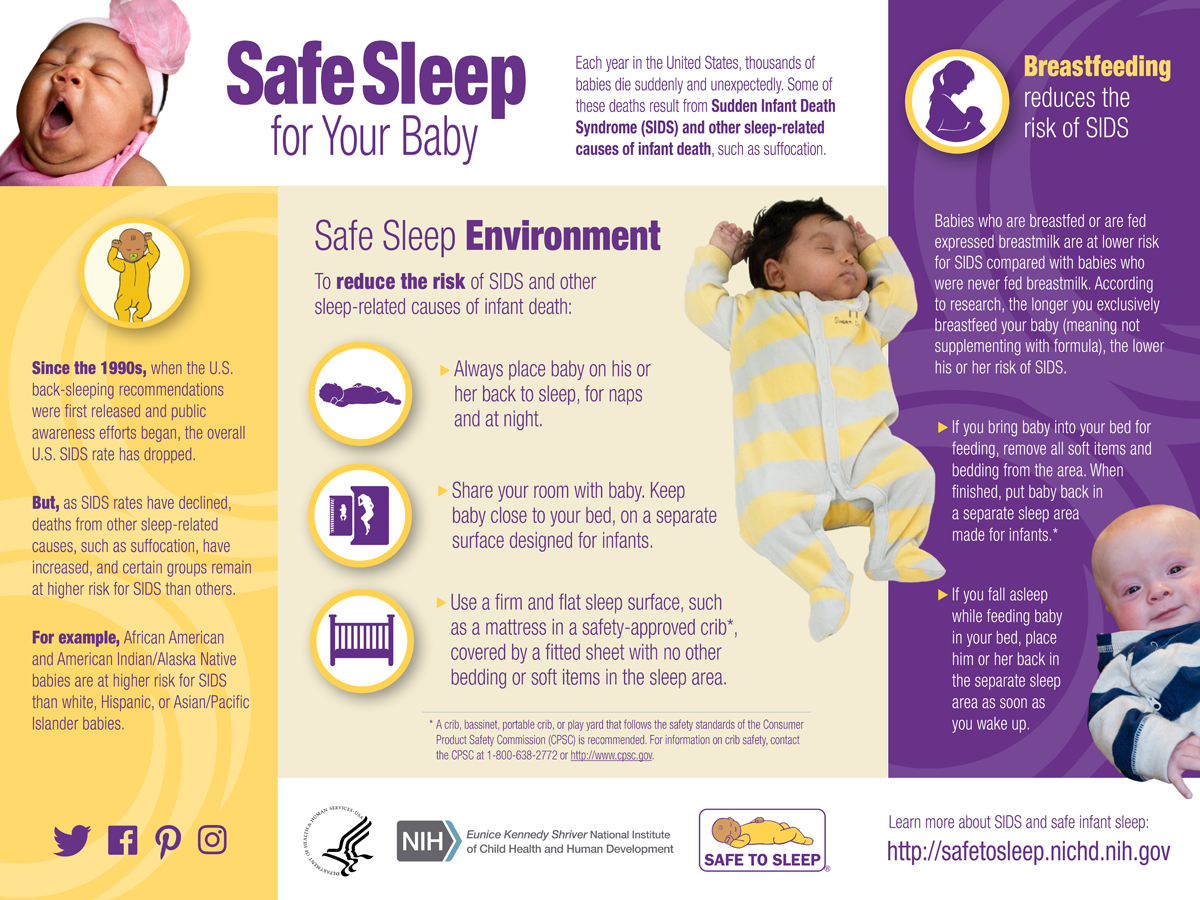
Safe Sleep for Your Baby Infographic (Horizontal) Safe to Sleep
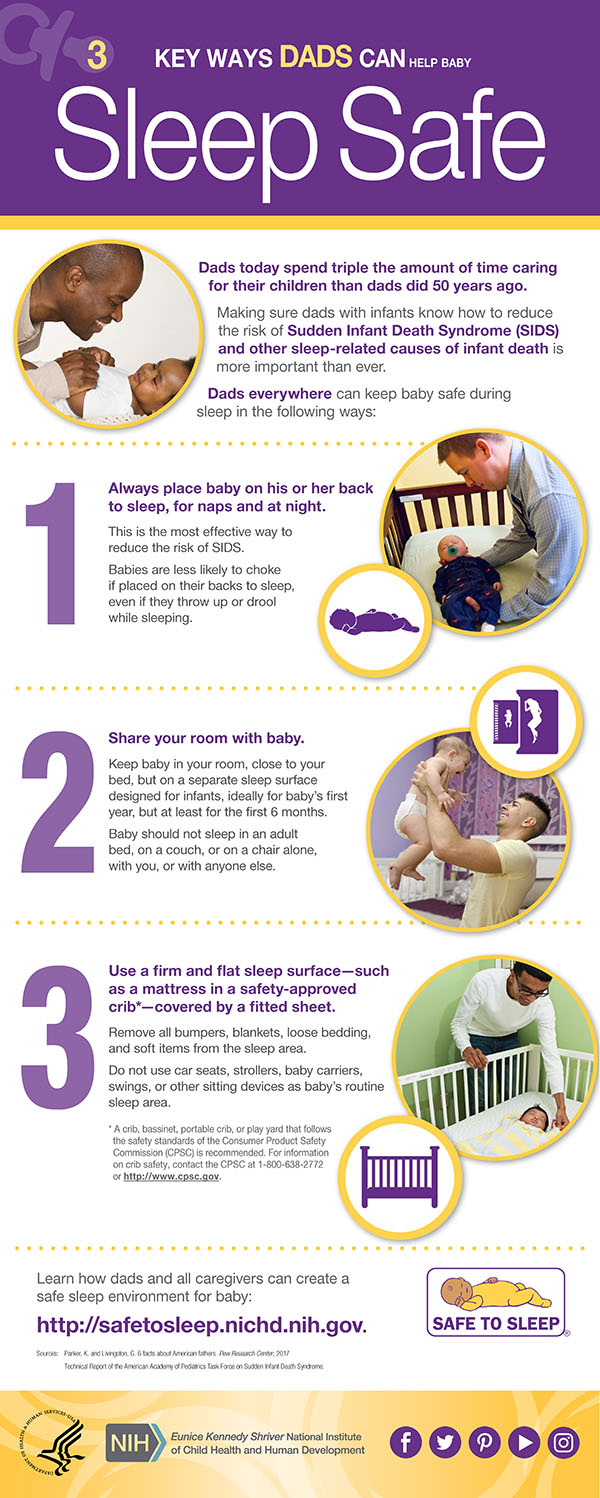
Safe Sleep Campaign Prince County

Infant Sleep Black Child Legacy Campaign (BCLC)

Healthy Sleep in Children Patient Education Brochures (50 brochures)
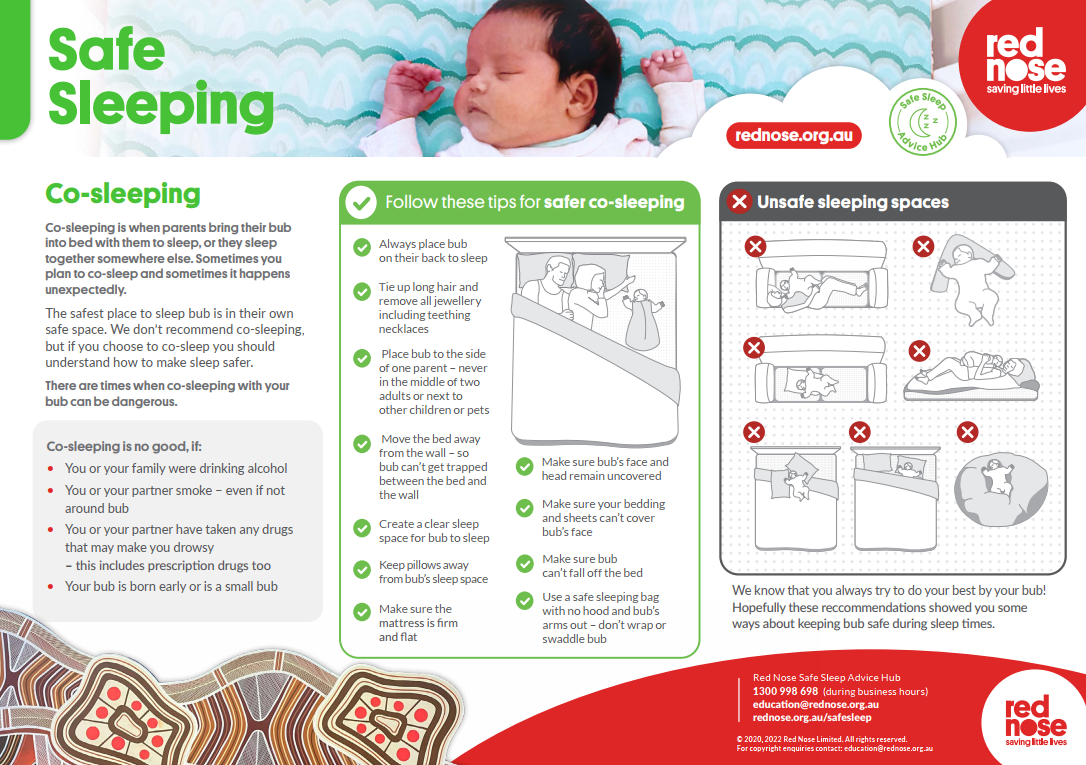
Resources and Factsheets Red Nose Australia
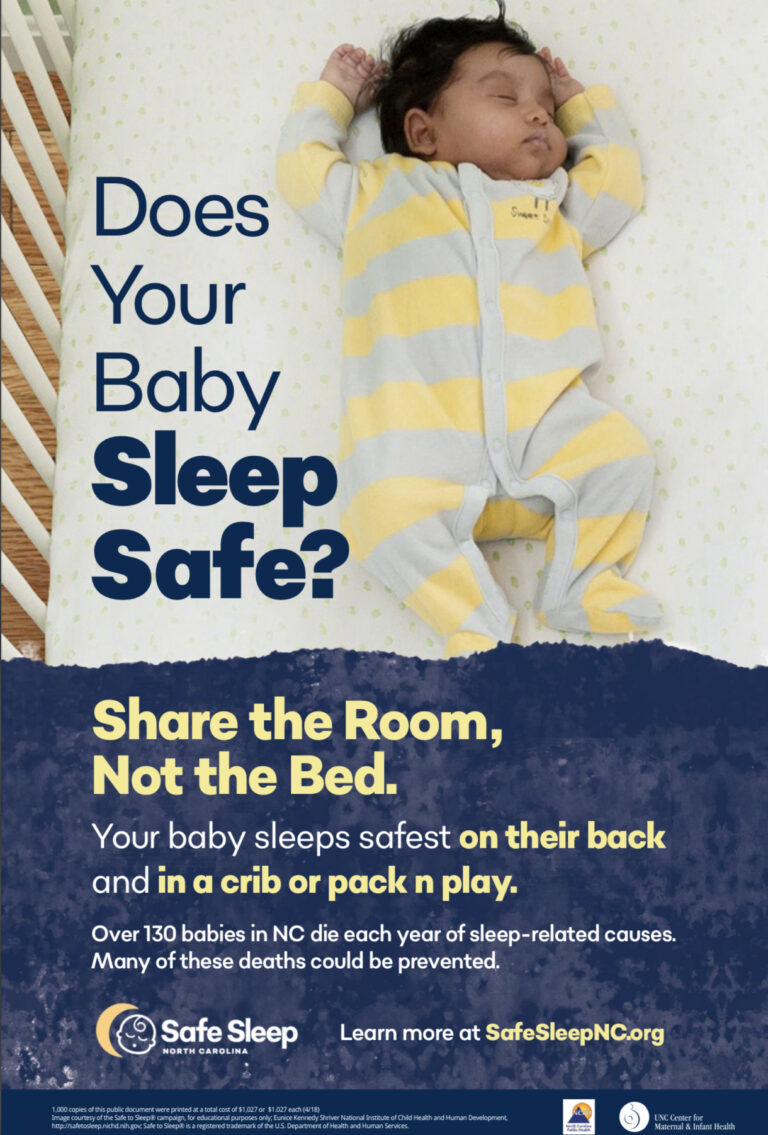
Printable Resources Safe Sleep NC
Babies Sleep Safest On Their Backs.
Follow These Easy Steps To Create A Safe Sleep Environment In Your Home, Family Child Care Home, Or Child Care Center:
Safe Sleep Guidelines From The American Academy Of Pediatrics Focus On Actions You And Others Can Take To Help Your Baby Sleep Safely And To Reduce Your Baby’s Risk Of Dying While Sleeping.
Do Not Use Loose Blankets And Make Sure Your Baby Is Not Too Warm.
Related Post: